

Copyright © Michigan Foot and Ankle | Site Map | Nondiscrimination Policy | Design by: Podiatry Content Connection
July 2025
Causes and Symptoms of Hammertoe

Hammertoe is a foot deformity where one or more toes become permanently bent at the middle joint, resembling a hammer. This condition is often caused by muscle imbalance, wearing tight or ill-fitting shoes, or injury. Risk factors include genetics, arthritis, and high arches. Symptoms may include pain, corns or calluses on the toe, difficulty walking, and swelling. If left untreated, hammertoe can become rigid and more painful. A podiatrist can diagnose hammertoe through physical examination and recommend treatments such as custom orthotics, shoe modifications, or surgery if necessary. If you experience toe discomfort or notice deformities, it is suggested that you consult a podiatrist who can accurately diagnose hammertoe, and offer appropriate treatment solutions.
Hammertoes can be a painful condition to live with. For more information, contact one of our podiatrists of Michigan Foot and Ankle. Our doctors will answer any of your foot- and ankle-related questions.
Hammertoe
Hammertoe is a foot deformity that occurs due to an imbalance in the muscles, tendons, or ligaments that normally hold the toe straight. It can be caused by the type of shoes you wear, your foot structure, trauma, and certain disease processes.
Symptoms
- Painful and/or difficult toe movement
- Swelling
- Joint stiffness
- Calluses/Corns
- Physical deformity
Risk Factors
- Age – The risk of hammertoe increases with age
- Sex – Women are more likely to have hammertoe compared to men
- Toe Length – You are more likely to develop hammertoe if your second toe is longer than your big toe
- Certain Diseases – Arthritis and diabetes may make you more likely to develop hammertoe
Treatment
If you have hammertoe, you should change into a more comfortable shoe that provides enough room for your toes. Exercises such as picking up marbles may strengthen and stretch your toe muscles. Nevertheless, it is important to seek assistance from a podiatrist in order to determine the severity of your hammertoe and see which treatment option will work best for you.
If you have any questions, please feel free to contact one of our offices located in Ferndale, and Milford, MI . We offer the newest diagnostic and treatment technologies for all your foot care needs.
Healing From the Ground Up

Proper wound care is a critical part of podiatry, especially for individuals with diabetes, poor circulation, or neuropathy. Foot wounds can result from cuts, blisters, pressure points, or minor injuries that go unnoticed and become infected. These wounds may appear red, swollen, or have drainage, and they can feel sore, warm, or even numb, if nerves are affected. A podiatrist treats wounds by cleaning the area, removing dead tissue called debridement, applying specialized dressings, and sometimes prescribing antibiotics. Offloading pressure with custom footwear or braces helps promote healing. In severe cases, surgery may be needed. Foot wounds are one of the leading causes of hospitalization for people with diabetes, yet with proper care from a podiatrist, most are preventable. Early treatment significantly reduces the risk of serious complications like infection or loss of limb. If you have a wound on your foot, it is suggested that you schedule an appointment with a podiatrist for appropriate treatment.
Wound care is an important part in dealing with diabetes. If you have diabetes and a foot wound or would like more information about wound care for diabetics, consult with one of our podiatrists from Michigan Foot and Ankle. Our doctors will assess your condition and provide you with quality foot and ankle treatment.
What Is Wound Care?
Wound care is the practice of taking proper care of a wound. This can range from the smallest to the largest of wounds. While everyone can benefit from proper wound care, it is much more important for diabetics. Diabetics often suffer from poor blood circulation which causes wounds to heal much slower than they would in a non-diabetic.
What Is the Importance of Wound Care?
While it may not seem apparent with small ulcers on the foot, for diabetics, any size ulcer can become infected. Diabetics often also suffer from neuropathy, or nerve loss. This means they might not even feel when they have an ulcer on their foot. If the wound becomes severely infected, amputation may be necessary. Therefore, it is of the upmost importance to properly care for any and all foot wounds.
How to Care for Wounds
The best way to care for foot wounds is to prevent them. For diabetics, this means daily inspections of the feet for any signs of abnormalities or ulcers. It is also recommended to see a podiatrist several times a year for a foot inspection. If you do have an ulcer, run the wound under water to clear dirt from the wound; then apply antibiotic ointment to the wound and cover with a bandage. Bandages should be changed daily and keeping pressure off the wound is smart. It is advised to see a podiatrist, who can keep an eye on it.
If you have any questions please contact one of our offices located in Ferndale, and Milford, MI . We offer the newest diagnostic and treatment technologies for all your foot and ankle needs.
Causes and Symptoms of an Achilles Tendon Tear

An Achilles tendon tear occurs when the thick cord that connects the calf muscles to the heel is overstretched and either partially or fully rips. Achilles tendon tears can be caused by sudden movements, such as pushing off the foot quickly, changing direction while running, or tripping while walking. Sports like tennis and basketball, which involve fast stops and turns, are also common causes. While people between the ages of 30 and 50 are especially at risk, this injury can affect younger athletes as well. Symptoms include a sharp pain in the lower leg or ankle, a snapping sound at the time of injury, difficulty walking, and weakness when trying to lift the heel. There may be bruising or swelling near the back of the ankle. A podiatrist can examine the tendon, confirm if it is torn, and recommend treatment. Depending on how severe the tear is, surgery may be needed. If you have injured your Achilles tendon, it is suggested that you schedule an appointment with a podiatrist for an exam and appropriate treatment options.
Achilles tendon injuries need immediate attention to avoid future complications. If you have any concerns, contact one of our podiatrists of Michigan Foot and Ankle. Our doctors can provide the care you need to keep you pain-free and on your feet.
What Is the Achilles Tendon?
The Achilles tendon is a tendon that connects the lower leg muscles and calf to the heel of the foot. It is the strongest tendon in the human body and is essential for making movement possible. Because this tendon is such an integral part of the body, any injuries to it can create immense difficulties and should immediately be presented to a doctor.
What Are the Symptoms of an Achilles Tendon Injury?
There are various types of injuries that can affect the Achilles tendon. The two most common injuries are Achilles tendinitis and ruptures of the tendon.
Achilles Tendinitis Symptoms
- Inflammation
- Dull to severe pain
- Increased blood flow to the tendon
- Thickening of the tendon
Rupture Symptoms
- Extreme pain and swelling in the foot
- Total immobility
Treatment and Prevention
Achilles tendon injuries are diagnosed by a thorough physical evaluation, which can include an MRI. Treatment involves rest, physical therapy, and in some cases, surgery. However, various preventative measures can be taken to avoid these injuries, such as:
- Thorough stretching of the tendon before and after exercise
- Strengthening exercises like calf raises, squats, leg curls, leg extensions, leg raises, lunges, and leg presses
If you have any questions please feel free to contact one of our offices located in Ferndale, and Milford, MI . We offer the newest diagnostic tools and technology to treat your foot and ankle needs.
How Sand Training Affects the Feet

Exercising in sand places unique demands on the feet. The soft, unstable surface increases the need for balance and muscle engagement, especially in the arch and toes. Over time, this can lead to changes in how the foot moves and adapts to uneven ground. Training regularly in sand may strengthen smaller muscles that support the arch and improve flexibility. However, it can also place extra stress on tendons, particularly if the surface is deep or uneven. Some individuals may notice soreness or strain in the ankles or the ball of the foot after repeated sessions. The reduced impact of sand can be beneficial, but without proper preparation or footwear, overuse injuries may develop. Attention to technique, gradual progression, and recovery time are key for avoiding problems. If foot discomfort arises during or after sand-based training, it is suggested that you see a podiatrist for an evaluation and relief options.
Sports related foot and ankle injuries require proper treatment before players can go back to their regular routines. For more information, contact one of our podiatrists of Michigan Foot and Ankle. Our doctors can provide the care you need to keep you pain-free and on your feet.
Sports Related Foot and Ankle Injuries
Foot and ankle injuries are a common occurrence when it comes to athletes of any sport. While many athletes dismiss the initial aches and pains, the truth is that ignoring potential foot and ankle injuries can lead to serious problems. As athletes continue to place pressure and strain the area further, a mild injury can turn into something as serious as a rupture and may lead to a permanent disability. There are many factors that contribute to sports related foot and ankle injuries, which include failure to warm up properly, not providing support or wearing bad footwear. Common injuries and conditions athletes face, including:
- Plantar Fasciitis
- Achilles Tendinitis
- Achilles Tendon Rupture
- Ankle Sprains
Sports related injuries are commonly treated using the RICE method. This includes rest, applying ice to the injured area, compression and elevating the ankle. More serious sprains and injuries may require surgery, which could include arthroscopic and reconstructive surgery. Rehabilitation and therapy may also be required in order to get any recovering athlete to become fully functional again. Any unusual aches and pains an athlete sustains must be evaluated by a licensed, reputable medical professional.
If you have any questions please contact one of our offices located in Ferndale, and Milford, MI . We offer the newest diagnostic and treatment technologies for all your foot and ankle needs.
Gout Pain Can Be Managed
Recognizing Rheumatoid Arthritis in the Feet
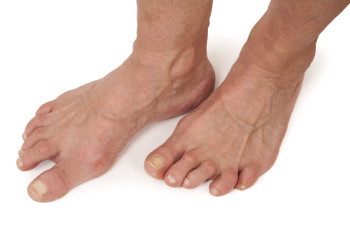
Rheumatoid arthritis in the feet is an autoimmune condition where the immune system attacks the joints, leading to inflammation, pain, and stiffness. It often begins in the small joints of the toes and feet, causing swelling, redness, and difficulty walking. Over time, it may lead to joint deformities and loss of function. The exact cause is unknown, but genetics and environmental triggers may play a role. Risk factors include family history, smoking, and age. A podiatrist can help by evaluating joint function, reducing pain through custom orthotics, and recommending strategies to maintain mobility. If you notice persistent foot pain or swelling, it is strongly suggested that you consult a podiatrist who can offer effective relief and management strategies.
Because RA affects more than just your joints, including the joints in your feet and ankles, it is important to seek early diagnosis from your podiatrist if you feel like the pain in your feet might be caused by RA. For more information, contact one of our podiatrists of Michigan Foot and Ankle. Our doctors will assist you with all of your podiatric concerns.
What Is Rheumatoid Arthritis?
Rheumatoid Arthritis (RA) is an autoimmune disorder in which the body’s own immune system attacks the membranes surrounding the joints. Inflammation of the lining and eventually the destruction of the joint’s cartilage and bone occur, causing severe pain and immobility.
Rheumatoid Arthritis of the Feet
Although RA usually attacks multiple bones and joints throughout the entire body, almost 90 percent of cases result in pain in the foot or ankle area.
Symptoms
- Swelling and pain in the feet
- Stiffness in the feet
- Pain on the ball or sole of feet
- Joint shift and deformation
Diagnosis
Quick diagnosis of RA in the feet is important so that the podiatrist can treat the area effectively. Your doctor will ask you about your medical history, occupation, and lifestyle to determine the origin of the condition. Rheumatoid Factor tests help to determine if someone is affected by the disease.
If you have any questions, please feel free to contact one of our offices located in Ferndale, and Milford, MI . We offer the newest diagnostic and treatment technologies for all your foot care needs.
Blog Archives
- December 2025
- November 2025
- October 2025
- September 2025
- August 2025
- July 2025
- June 2025
- May 2025
- April 2025
- March 2025
- February 2025
- January 2025
- December 2024
- November 2024
- October 2024
- September 2024
- August 2024
- July 2024
- June 2024
- May 2024
- April 2024
- March 2024
- February 2024
- January 2024
- December 2023
- November 2023
- October 2023
- September 2023
- August 2023
- July 2023
- June 2023
- May 2023
- April 2023
- March 2023
- February 2023
- January 2023
- December 2022
- November 2022
- October 2022
- September 2022
- August 2022
- July 2022
- June 2022
- May 2022
- April 2022
- March 2022
- February 2022
- January 2022
- December 2021
- November 2021
- October 2021
- September 2021
- August 2021
- July 2021
- June 2021
- May 2021
- April 2021
- March 2021
- February 2021
- January 2021
- December 2020
- November 2020
- October 2020
- September 2020
- August 2020
- July 2020
- June 2020
- May 2020
- April 2020
- March 2020
- February 2020
- January 2020
- December 2019
- November 2019
- October 2019
- September 2019
- August 2019
- July 2019
- June 2019
- May 2019
- April 2019
- March 2019
- February 2019
- January 2019
- December 2018
- November 2018
- October 2018
- September 2018
- August 2018
- July 2018
- June 2018
- May 2018
- April 2018
- March 2018
- February 2018
- January 2018
- December 2017
- November 2017
- October 2017
- September 2017
- August 2017
- July 2017
- June 2017
- May 2017
- April 2017
- March 2017
- February 2017
- January 2017